 (1).svg)
About Modelera and the thinking behind it
Modelera grew out of a pattern I kept seeing while working with startups and technology companies. Growth models and forecasts get built at the beginning, but they quickly stop being used as tools for making decisions.
The goal is to turn the growth model into a living operating tool, one that connects the business target to the growth drivers behind it, tests assumptions against reality and helps clarify what should change next.
The model is not only there to predict. It should help you understand what needs to be true for the target to be achievable, and what to do when reality looks different from the plan.
The forecast gets approved, then it gets left behind
Founders and leadership teams spend a lot of time building forecasts, operating plans and models for fundraising, budgeting or launch. But once execution starts, the model often becomes a historical document.
The business then gets managed through dashboards, meetings, targets and intuition. What is usually missing is the connection between what was expected to happen, what actually happened and which assumption best explains the gap.
Start with the business target, then work backwards
Instead of starting with the final number alone, build the logic that has to support it.
Business target
Define where the business is trying to get, whether that means revenue, customers, users or another core business outcome.
Growth drivers
Break the target into acquisition, conversion, pricing, retention, usage and revenue drivers based on the business model.
Assumptions
Make the critical assumptions explicit, identify what needs a benchmark and clarify what still needs to be tested.
Reality and decisions
Compare the model with actual performance, identify the most important variance and decide what should change in the model or in the business.
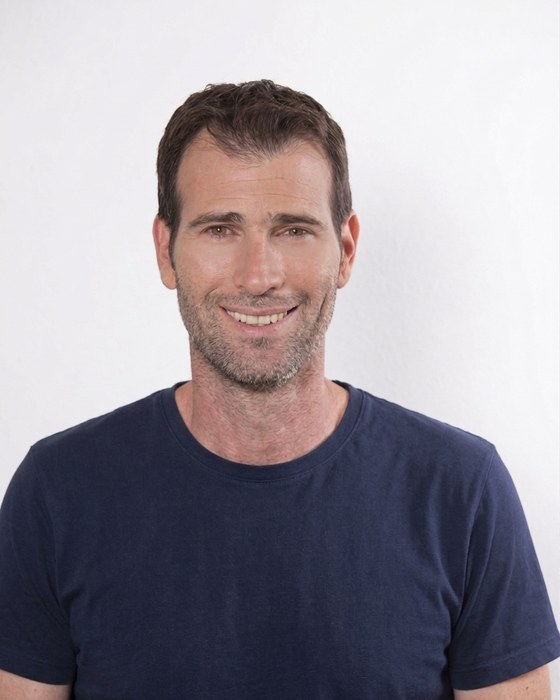
Hands on experience across growth, marketing and strategy
Avi Hershko is a business and marketing strategy advisor with more than 20 years of experience working with technology companies and startups. He previously served as VP Growth at Vimeo and Head of Marketing at Fiverr.
Over the years, I have worked closely with founders and leadership teams on strategy, marketing, growth, analytics and planning. One pattern kept repeating: there was often a gap between the forecast and the way the business was actually being managed.
Modelera came out of that experience. The goal is not to create another spreadsheet. It is to build a clear framework that connects the target, the assumptions and the actual performance, so better decisions can be made over time.
Start with the business, not with a template
Understand the business target and the business model.
Map the growth drivers and the assumptions that matter most.
Build the first model and test scenarios that show what needs to happen.
When useful, continue with ongoing actual versus model reviews and update the assumptions over time.
Want to understand what needs to be true for your startup to reach its target?
Start with an initial growth model, then turn it into an ongoing decision tool as the business evolves.
Build your growth model